
InsightsTechnologyAugust 18, 20265 min read
The store became retail's biggest sensor
What checkout, shelf and queue data already reveal about assortment, replenishment and in-store experience.
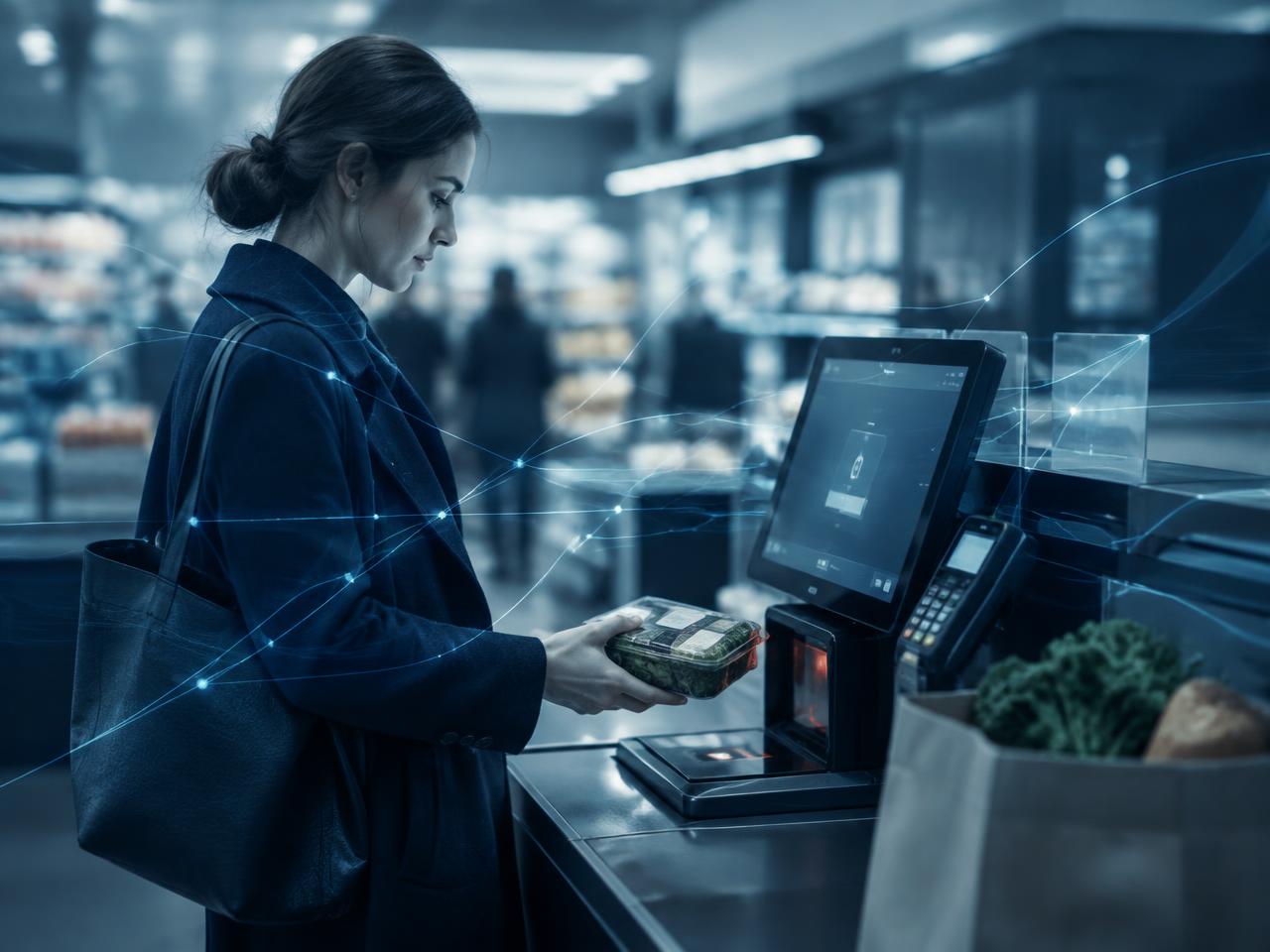
The physical store has always been the point where strategy meets reality. What changed is that it is now also the point where data is born — in a volume and speed no manual audit can keep up with.
The checkout is the oldest sensor and still the most underused. The receipt tells not only what sold, but what sold together, at what time and with what discount. Crossed with inventory, it reveals the phantom stockout: the item listed as available that does not sell because it is not on the shelf.
The shelf is the second sensor. Computer vision and cycle counts turn the planogram from a static document into live data: what is displayed, what ran out, what became visible dead stock before becoming markdown.
The queue and the flow complete the picture. Wait times, abandonment and area occupancy show where the experience stalls — and where staff allocation is worth more than any campaign.
The leap is not in collecting more data, but in closing the loop: sensor, decision, execution and measurement in the same cycle. A store that measures and does not act is just an expensive archive; one that acts on what it measures becomes a daily competitive advantage.
How BRX can help
BRX designs the connected store with the retailer: from data architecture and integrations across store, inventory and e-commerce systems to choosing the right technologies — always starting from the business problem, not the novelty.